

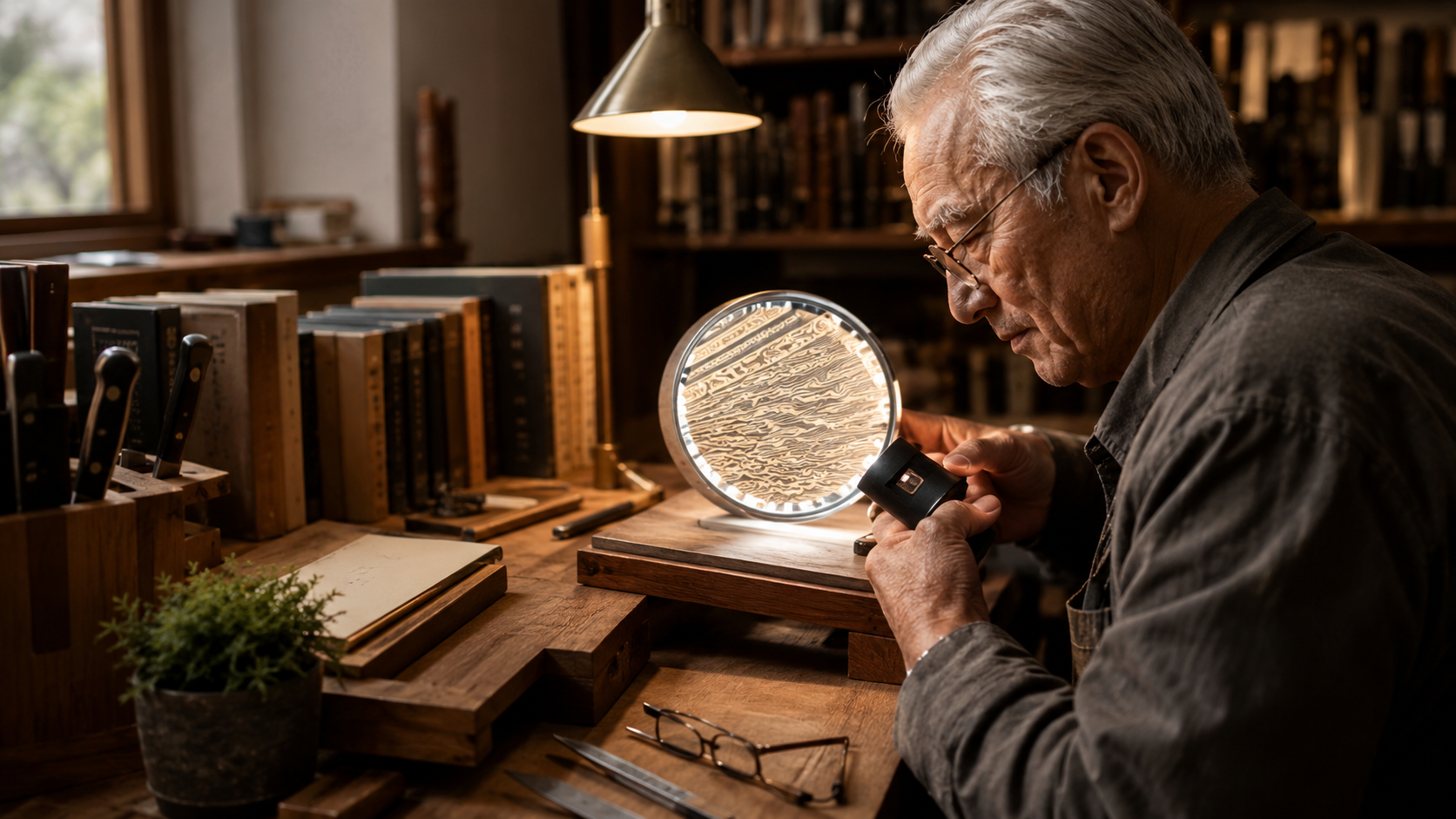
Finding the best magnifier can make everyday tasks such as reading books, checking mail, reviewing labels, completing forms, and working on hobbies much easier. For seniors, the right magnifier is not simply about choosing the highest magnification. Lens size, lighting, ease of handling, portability, and whether the magnifier can be used hands-free can all affect how comfortable it is to use.
In this guide, we compare some of the best magnifiers for seniors in 2026, with options suited to reading, everyday tasks, detailed work, portability, and hands-free use. The goal is to help you choose a magnifier based on how you actually plan to use it.
Quick Picks: Best Magnifiers for Seniors
| Best For | Type to Consider | Key Feature |
|---|---|---|
| Everyday reading | Large handheld magnifier | Wide viewing area |
| Reading in low light | Lighted magnifier | Built-in LED illumination |
| Hands-free reading | Page magnifier with stand | Stable, hands-free positioning |
| Small print and labels | High-power handheld magnifier | Higher magnification |
| Travel and quick checks | Compact pocket magnifier | Lightweight and portable |
| Crafts and detailed work | Stand or desk magnifier | Stable positioning and focused lighting |

There is no single magnifier that works best for everyone. A large illuminated lens may be ideal for reading a newspaper, while a compact magnifier may be more convenient for checking a medication label or restaurant menu. Current 2026 buying guides similarly emphasize factors such as magnification, viewing area, lighting, portability, and hands-free operation when comparing magnifiers for seniors.
What Is the Best Magnifier for Seniors?
For most seniors who primarily need help with books, newspapers, mail, recipes, and other everyday reading, a large magnifier with built-in lighting is a strong starting point. A larger viewing area lets you see more text at once, while an LED light can improve visibility when room lighting is not ideal.
However, the best magnifier depends on the task. Someone who needs to inspect very small details may benefit from higher magnification, while someone who reads for extended periods may prefer a hands-free model with a stand.
Best Magnifiers for Seniors in 2026
1. Best Overall: Large Lighted Magnifier
A large lighted magnifier is one of the most versatile choices for everyday use. The combination of a broad viewing area and built-in illumination makes it suitable for books, newspapers, mail, recipes, product packaging, and other common household tasks.
Why it stands out:
- Large lens makes it easier to follow lines of text
- Built-in lighting improves visibility in dim environments
- Useful for both reading and everyday inspection
- More practical for extended reading than very small pocket magnifiers
Best for: Seniors who want one versatile magnifier for regular reading and household tasks.
2. Best for Reading: Full-Page or Large-View Magnifier
If reading books, newspapers, magazines, or printed documents is the main priority, consider a magnifier with a large viewing area. A larger lens reduces the amount of repositioning required as you move across a page.
Some page magnifiers also include detachable stands, allowing them to be used either handheld or hands-free. This can be particularly useful during longer reading sessions or when both hands need to remain free.
Best for: Books, newspapers, magazines, letters, forms, and other larger printed materials.
3. Best Lighted Magnifier: LED Magnifier
A magnifier with built-in LED lighting can be useful when small print is difficult to see because the surrounding environment is too dark. Instead of relying on a separate lamp, the light is positioned directly around or near the lens.
Some illuminated models offer adjustable brightness or multiple light modes. These features can be useful when moving between different rooms or when you prefer softer lighting for longer reading sessions.
Best for: Reading in low-light environments, checking labels, mail, menus, and small print.
4. Best for Portability: Compact Pocket Magnifier
A compact magnifier is convenient when you need occasional magnification away from home. Its smaller size makes it easy to keep in a purse, pocket, desk drawer, or travel bag.
Many compact models also include built-in LED lighting, making them useful for quick tasks such as reading menus, checking packaging, examining receipts, or looking at small labels.
The main trade-off is viewing area. A pocket magnifier is convenient, but it generally requires more movement across a page than a larger reading magnifier.
Best for: Travel, restaurants, shopping, labels, receipts, and occasional close-up tasks.
5. Best for Hands-Free Use: Magnifier With Stand
Holding a magnifier for a long period can become tiring, particularly when you are working on crafts, puzzles, writing, or other activities that require both hands. A magnifier with a built-in or detachable stand can solve this problem.
Hands-free models can also provide more consistent positioning between the lens and the material being viewed. This can make detailed tasks easier and more comfortable.
Best for: Crafts, sewing, puzzles, writing, hobbies, and extended close-up work.
6. Best for Small Details: High-Magnification Magnifier
Higher magnification can be useful when you need to examine very small details, but more magnification is not automatically better for everyday reading. As magnification increases, the viewing area and working distance can become more limited.
For this reason, a high-power magnifier is generally better suited to specific close-up tasks than reading an entire newspaper or book.
Best for: Small labels, stamps, jewelry, crafts, electronics, and other detailed work.
How We Chose the Best Magnifiers
When comparing magnifiers for seniors, we focused on the features that have the biggest impact on everyday usability rather than simply choosing models with the highest magnification.
- Magnification: The level of enlargement and whether it matches the intended task.
- Lens size: A larger viewing area can be more convenient for reading longer lines of text.
- Lighting: Built-in LEDs can improve visibility in dim environments.
- Ease of use: Controls, grip, weight, and overall handling should be straightforward.
- Hands-free capability: Stands can reduce hand fatigue during extended tasks.
- Portability: Compact models are easier to carry for occasional use outside the home.
-
Versatility: The best everyday models can handle more than one type of task.
These factors are consistent with current magnifier buying guides, which commonly compare lens clarity, magnification, lighting, hands-free capability, portability, and ease of use.
What Magnification Should Seniors Choose?
The right magnification depends on what you need to see and how close you can comfortably hold the magnifier to the material.
| Magnification Level | Common Uses |
|---|---|
| Low to moderate | Books, newspapers, mail, menus, and general reading |
| Moderate | Small labels, recipes, forms, and everyday details |
| High | Very small print, crafts, stamps, jewelry, and detailed inspection |
For general reading, choosing a very high magnification simply because it offers a larger number may not provide the best experience. A wider lens with moderate magnification can often be easier to move across a page.
Lighted vs. Non-Lighted Magnifiers
One of the most useful decisions when shopping for a magnifier is whether you need built-in lighting.
Lighted Magnifiers
- Helpful in dim rooms
- Convenient for reading small print
- Can combine magnification and illumination in one tool
- Useful for labels, mail, menus, and evening reading
Non-Lighted Magnifiers
- Usually simpler to operate
- No batteries or charging required
- Can be lighter and easier to carry
- Suitable when you already have strong, comfortable lighting
If you frequently read in the evening or in areas with inconsistent lighting, a lighted magnifier may be worth considering. Built-in illumination is a recurring feature in current recommendations for reading magnifiers.
Handheld vs. Hands-Free Magnifiers
Handheld and hands-free magnifiers serve different purposes.
| Type | Advantages | Best For |
|---|---|---|
| Handheld | Portable and flexible | Quick reading and everyday tasks |
| With stand | Keeps the lens positioned without holding it | Longer reading and hobbies |
| Desk or clamp | Stable positioning and hands-free operation | Detailed work and crafts |
| Very compact and easy to carry | Travel and occasional use |
For someone who only needs a magnifier occasionally, handheld or pocket models are usually more convenient. For someone who spends considerable time reading or working on hobbies, a stand-based option may be more comfortable.
What to Look for When Buying a Magnifier for Seniors
Before choosing a magnifier, think about the specific situations where it will be used. A magnifier that works well for reading a book may not be the best option for checking tiny print on medication packaging or working on a craft project.
1. Choose the Right Lens Size
Lens size affects how much of the page you can see at one time. A larger lens can be more convenient for reading because you do not need to reposition it as frequently.
Smaller lenses, on the other hand, are easier to carry and can provide more targeted magnification for small details.
2. Consider the Weight and Grip
A magnifier should be comfortable to hold, especially if you plan to use it for several minutes at a time. Look for a handle that is easy to grip and a weight that feels manageable in your hand.
If holding a magnifier becomes uncomfortable during longer sessions, consider a stand-mounted or hands-free design instead.
3. Check the Lighting
If you choose a lighted magnifier, check how the light is positioned around the lens and whether the brightness is suitable for your intended use. An LED light can be particularly useful for reading small print in rooms with limited lighting.
4. Think About Portability
If the magnifier will stay beside a favorite reading chair, size may not be a major concern. If you want to carry it while shopping, traveling, or dining out, a compact model may be a better choice.
5. Consider Hands-Free Use
A hands-free magnifier can be especially useful for activities that require both hands. Models with stands can work well for crafts, sewing, puzzles, writing, and detailed projects.
6. Look at the Power Source
Lighted magnifiers typically use batteries or rechargeable power. If you plan to use the light frequently, consider how easy it is to replace batteries or recharge the device.
Are Magnifiers Good for Seniors With Low Vision?
Magnifiers can make enlarged text and objects easier to see for some people with low vision, particularly during close-up tasks such as reading labels, mail, menus, or printed materials.
However, a magnifier is not a replacement for professional vision care. The most suitable magnification and optical aid can vary significantly from person to person. If standard magnifiers are no longer providing enough help with everyday activities, an eye-care professional or low-vision specialist can help determine whether another type of visual aid would be more appropriate.
Can a Magnifier Be Used for Reading Books?
Yes. Magnifiers are commonly used for reading books, newspapers, magazines, letters, and other printed materials.
For longer reading sessions, prioritize a larger lens and comfortable handling rather than simply choosing the highest magnification available. A page-style or stand-mounted magnifier can also reduce the need to continuously hold the lens in place.
Are Lighted Magnifiers Better for Reading?
A lighted magnifier can be helpful when the surrounding lighting is poor. The built-in light illuminates the area being viewed while the lens enlarges the text or object.
That does not mean a lighted magnifier is always better. If you already have bright, comfortable lighting, a non-lighted magnifier may be simpler and lighter.
Can Magnifiers Help With Small Print?
Yes. Magnifiers can enlarge small print on items such as product labels, receipts, menus, mail, instructions, and packaging.
For extremely small details, a higher-magnification lens may be useful. For larger amounts of text, however, a wider lens with moderate magnification may provide a more practical viewing experience.
How to Use a Handheld Magnifier Correctly
- Place the material you want to read on a stable, well-lit surface.
- Hold the magnifier above the text rather than pressing the lens against the page.
- Move the magnifier slowly until the text comes into clear focus.
- Keep the lens at a comfortable distance and avoid repeatedly changing the viewing distance.
- For longer reading sessions, consider using a stand or hands-free magnifier to reduce hand fatigue.
If the image remains difficult to focus, check whether the magnification is appropriate for the task. A higher-power lens is not necessarily easier to use for large amounts of text.
Best Magnifier by Use Case
| Use Case | Recommended Type | Why |
|---|---|---|
| Reading books | Large reading magnifier | Provides a wider viewing area |
| Reading newspapers | Large lens or page magnifier | Reduces frequent repositioning |
| Checking labels | Lighted handheld magnifier | Combines magnification with illumination |
| Shopping and restaurants | Compact pocket magnifier | Easy to carry |
| Crafts and sewing | Hands-free magnifier | Keeps both hands available |
| Small detailed objects | Higher-power magnifier | Provides more targeted enlargement |
Magnifier Buying Guide: What Matters Most?
When comparing the best magnifiers for seniors, it is easy to focus only on magnification strength. In practice, usability is just as important.
For everyday reading, start with the viewing area, lens clarity, weight, and lighting. For detailed hobbies, consider higher magnification and hands-free positioning. For travel, prioritize compact size and easy storage.
The best choice is ultimately the one that matches the task you perform most often.
Frequently Asked Questions About Magnifiers for Seniors
What is the best magnifier for seniors?
For general reading and everyday tasks, a large lighted magnifier is a practical option because it combines a wider viewing area with additional illumination. The best choice depends on the user's specific needs, including reading distance, magnification preference, portability, and whether hands-free use is important.
What strength magnifier is best for reading?
A moderate level of magnification is generally more practical for reading books, newspapers, and other larger amounts of text. Very high magnification can be better suited to small details rather than continuous reading.
Are lighted magnifiers better for seniors?
Lighted magnifiers can be helpful for seniors who frequently read in dim environments or need additional illumination when examining small print. If the surrounding lighting is already sufficient, a non-lighted model may be perfectly adequate.
What is better, a handheld or hands-free magnifier?
A handheld magnifier offers greater portability and flexibility, while a hands-free magnifier can be more comfortable for longer reading sessions and activities that require both hands. Choose based on how and where you plan to use it.
Can I use a magnifier for reading medication labels?
Yes. A magnifier can make small text on packaging and labels easier to inspect. A lighted handheld model can be especially convenient when the print is small and the surrounding lighting is limited.
How do I choose the best magnifier for everyday use?
Start by identifying your main use. For reading, look for a larger lens and comfortable handling. For small details, consider higher magnification. For low-light environments, look for built-in LED lighting. If you need both hands free, choose a stand or hands-free design.
Final Thoughts
The best magnifier for seniors depends less on having the highest magnification and more on finding the right combination of lens size, clarity, lighting, comfort, and usability.
For everyday reading, a large lighted magnifier is a strong all-purpose choice. For travel, a compact pocket magnifier is easier to carry. For crafts and longer close-up activities, a hands-free model can provide greater convenience.
Before buying, consider where the magnifier will be used, how long it will be held at a time, what type of text or objects need to be enlarged, and whether additional lighting is necessary. Matching the magnifier to the task will usually lead to a better everyday experience than simply choosing the highest magnification.
Share:
Sit-to-Stand Lift Chair: The Ultimate Guide to Safe and Independent Mobility at Home