

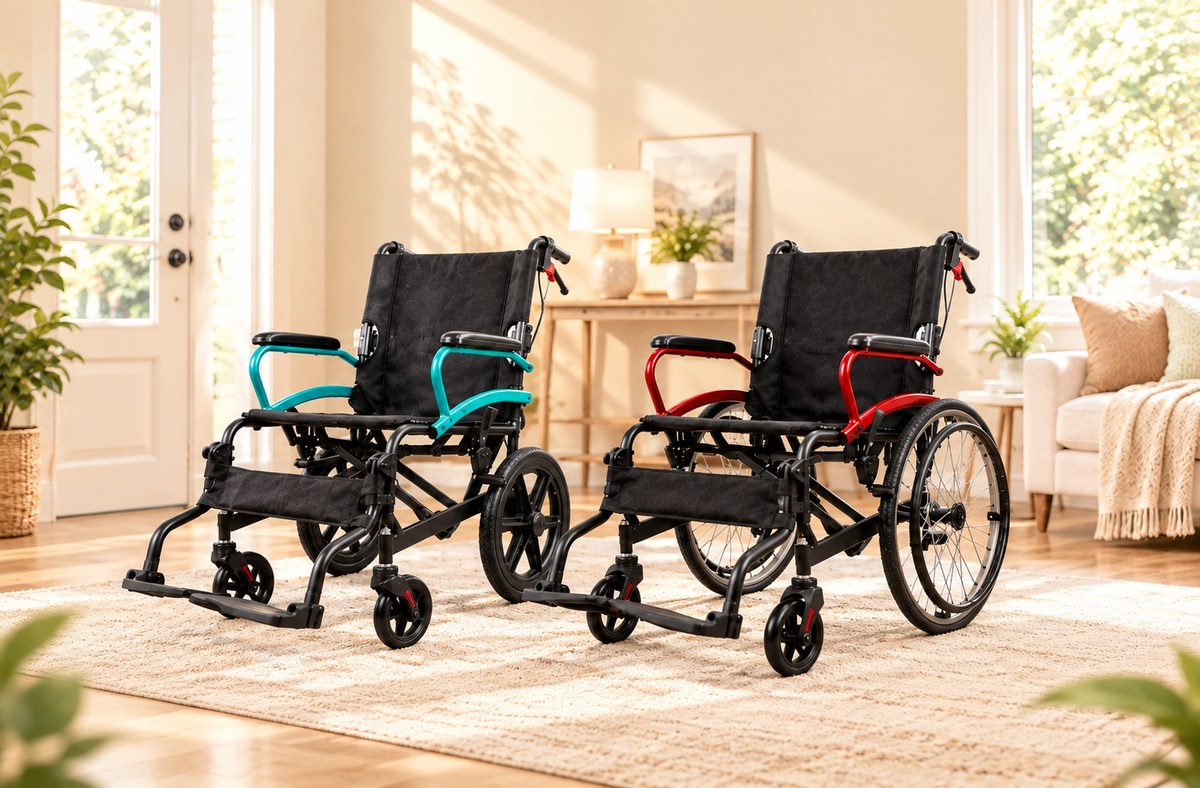
Choosing the best manual wheelchair can make everyday mobility easier, more comfortable, and more convenient. Whether you need a wheelchair for daily use, occasional outings, travel, or assistance after an injury or medical procedure, the right model should match your mobility needs, body size, environment, and lifestyle.
With different wheelchair types, frame designs, seat sizes, wheel configurations, and portability features available, it can be difficult to know which option is right for you. This guide explains the main types of manual wheelchairs, the features to consider, and how to choose a model for everyday mobility.
What Is a Manual Wheelchair?
A manual wheelchair is a mobility device that allows a person to move while seated without a motor or battery-powered drive system. Depending on the user's mobility and strength, a manual wheelchair can be propelled by the user through the rear wheels or pushed by a caregiver.
Manual wheelchairs are available in many configurations. Some are designed for everyday independent use, while others prioritize portability, lightweight construction, or caregiver-assisted transportation.
Types of Manual Wheelchairs
Understanding the different types of manual wheelchairs is an important first step when searching for the best option.
Standard Manual Wheelchairs
Standard manual wheelchairs are designed for general mobility and are often used at home, in medical facilities, and for everyday transportation. They typically offer a balance between durability, comfort, and affordability.
Lightweight Manual Wheelchairs
Lightweight wheelchairs are easier to lift, transport, and store than heavier traditional models. They can be particularly useful for caregivers who frequently place a wheelchair in a vehicle or move it between locations.
Transport Wheelchairs
Transport wheelchairs are generally designed to be pushed by a caregiver rather than self-propelled by the user. Their compact design can make them convenient for appointments, shopping trips, travel, and other short outings.
Folding Manual Wheelchairs
Folding wheelchairs feature frames that collapse for easier storage and transportation. A folding design can be especially useful when trunk space or storage space is limited.
Best Manual Wheelchairs: What to Look For
There is no single wheelchair that is best for every person. The right choice depends on how and where the wheelchair will be used. Consider these features before making a purchase.
1. Weight Capacity
Always check the manufacturer's recommended weight capacity before choosing a wheelchair. The wheelchair should provide an appropriate safety margin for the user's body weight and should be used according to the manufacturer's specifications.
2. Seat Width and Depth
Proper seat dimensions are essential for comfort and positioning. A seat that is too narrow can feel restrictive, while one that is too wide may make it more difficult to maintain proper positioning.
Measure the user's body dimensions and compare them with the wheelchair's seat width and depth specifications before purchasing.
3. Overall Weight
If the wheelchair needs to be transported regularly, its overall weight matters. A lighter wheelchair can be easier for a caregiver to lift into a vehicle or carry upstairs.
4. Folding Design
A folding frame can make a manual wheelchair more practical for travel and storage. Before purchasing, check the folded dimensions to make sure the wheelchair will fit inside your vehicle or available storage area.
5. Wheel Configuration
Different wheelchair designs use different wheel configurations. Larger rear wheels can support self-propulsion, while smaller rear wheels are commonly found on caregiver-propelled transport models.
6. Brakes and Safety Features
Reliable wheel locks are important when transferring into or out of a wheelchair and whenever the wheelchair is parked. Footrests, armrests, and other safety features should also be appropriate for the user's needs.
7. Cushion and Seating Comfort
For people who spend extended periods in a wheelchair, seating comfort is particularly important. Consider the seat material, backrest design, cushion compatibility, and overall support.
8. Portability
If you plan to use the wheelchair outside the home, look for features that make transportation easier, such as a folding frame, removable components, or a compact folded size.
Manual Wheelchair vs. Transport Wheelchair
Manual wheelchairs and transport wheelchairs serve different purposes. Understanding the differences can help you select the right type.
| Feature | Manual Wheelchair | Transport Wheelchair |
|---|---|---|
| Primary use | Everyday mobility | Short trips and caregiver-assisted mobility |
| Self-propulsion | Available on many models | Generally not designed for self-propulsion |
| Rear wheels | Typically larger | Typically smaller |
| Portability | Varies by model | Often highly portable |
| Caregiver assistance | May or may not be required | Generally required |

If the user has sufficient upper-body strength and wants to propel the wheelchair independently, a self-propelled manual wheelchair may be a better choice. If a caregiver will handle most of the movement, a transport wheelchair may be more convenient.
How to Choose the Best Manual Wheelchair for Everyday Use
For Independent Mobility
If the user plans to propel the wheelchair independently, consider a model with appropriate rear wheel positioning, comfortable hand rims, and a seat size that supports proper positioning.
For Caregiver-Assisted Mobility
If a family member or caregiver will usually push the wheelchair, prioritize push handles, maneuverability, reliable wheel locks, and a manageable overall weight.
For Travel
Travel-focused users should look for a wheelchair that folds easily and has a compact folded profile. Weight is also important if the wheelchair will frequently be lifted into a car.
For Everyday Home Use
For regular use around the home, consider maneuverability, seat comfort, doorway clearance, and the type of flooring where the wheelchair will be used.
For Outdoor Use
If the wheelchair will frequently be used outdoors, consider wheel durability, frame construction, ground clearance, and the types of surfaces you expect to encounter.
Key Features That Can Improve Wheelchair Comfort
Comfort is more than just having a padded seat. Several design elements can affect the overall experience.
- Appropriate seat dimensions: Helps support comfortable positioning.
- Padded seating: Can provide additional comfort during use.
- Supportive backrest: Helps provide a more comfortable seated position.
- Adjustable or removable footrests: Can make transfers and positioning more convenient.
- Comfortable armrests: Provide support for the user's arms during everyday use.
- Easy-to-use wheel locks: Help keep the wheelchair stationary when parked.
How to Measure for a Manual Wheelchair
Choosing the correct wheelchair size is important for comfort and mobility. Before purchasing, compare the user's measurements with the manufacturer's sizing information.
Seat Width
Measure the user's hip width while seated and compare it with the wheelchair's seat width. The goal is to provide adequate space without creating excessive side-to-side movement.
Seat Depth
Measure from the back of the hips toward the back of the knees while seated. Compare this measurement with the wheelchair's seat depth to help determine whether the seating surface is appropriate.
Footrest Position
Consider the user's leg length and the wheelchair's footrest configuration. Proper foot support can contribute to a more comfortable and stable seated position.
Because individual needs vary, people with significant mobility or positioning requirements should consider consulting a qualified healthcare professional for wheelchair fitting advice.

Manual Wheelchair Safety Tips
Using a wheelchair safely involves more than choosing the right model. Follow these general precautions:
- Check the wheelchair before each use for loose, damaged, or worn components.
- Engage the wheel locks before transferring into or out of the wheelchair.
- Use the footrests correctly and avoid standing on them during transfers.
- Do not exceed the manufacturer's weight capacity.
- Use appropriate caution on ramps, slopes, uneven surfaces, and curbs.
- Keep hands, clothing, and other objects away from moving wheels.
- Follow the manufacturer's instructions for folding, unfolding, and maintenance.
How to Maintain a Manual Wheelchair
Regular maintenance can help keep a manual wheelchair functioning properly and extend its useful life.
Check the Wheels
Inspect the wheels regularly for visible damage and make sure they rotate properly. If the wheelchair uses pneumatic tires, check the tire pressure according to the manufacturer's recommendations.
Inspect the Frame
Look for cracks, bent components, loose hardware, or other signs of damage. Do not continue using a wheelchair if a structural problem could affect its safety.
Clean the Wheelchair
Regularly wipe down the frame, seat, armrests, and other surfaces. Follow the manufacturer's cleaning recommendations for different materials.
Check the Brakes
Make sure the wheel locks engage securely and prevent unwanted movement when the wheelchair is parked.
Frequently Asked Questions About Manual Wheelchairs
What is the best manual wheelchair?
The best manual wheelchair depends on the user's mobility needs, body size, intended environment, and transportation requirements. A wheelchair designed for everyday independent use may not be the best choice for a caregiver who needs a lightweight transport option.
Are manual wheelchairs easy to transport?
Many manual wheelchairs are designed to fold for transportation. However, weight and folded dimensions vary considerably between models. If you frequently travel by car, check both measurements before purchasing.
What is the difference between a manual wheelchair and a transport wheelchair?
A manual wheelchair often allows the user to propel themselves using the rear wheels, while a transport wheelchair is generally designed to be pushed by a caregiver. The best option depends on the user's mobility and whether independent propulsion is required.
How much weight can a manual wheelchair hold?
Weight capacity varies by model. Always check the manufacturer's specifications and never exceed the stated weight limit.
Can a manual wheelchair be used outdoors?
Many manual wheelchairs can be used outdoors, but performance depends on the wheelchair design and the surface. Smooth pavement is generally easier to navigate than gravel, grass, sand, or heavily uneven terrain.
How do I know what wheelchair size I need?
Start by measuring the user's hip width, seated depth, and leg dimensions, then compare those measurements with the manufacturer's sizing specifications. Proper fitting is particularly important for people who spend significant amounts of time in a wheelchair.
Final Thoughts
Finding the best manual wheelchair starts with understanding how the wheelchair will be used. Independent users may prioritize self-propulsion and wheel configuration, while caregivers may place greater importance on portability, push handles, and maneuverability.
Before choosing a wheelchair, consider weight capacity, seat dimensions, overall weight, folding design, wheel configuration, comfort, safety features, and transportation needs. Taking these factors into account can help you select a manual wheelchair that provides the right balance of mobility, comfort, and convenience.
Explore ProTraverse's mobility aids to find practical solutions designed to support everyday movement, independence, and caregiver-assisted mobility.
Share:
How to Choose a Magnifier for Reading: A Complete Buying Guide